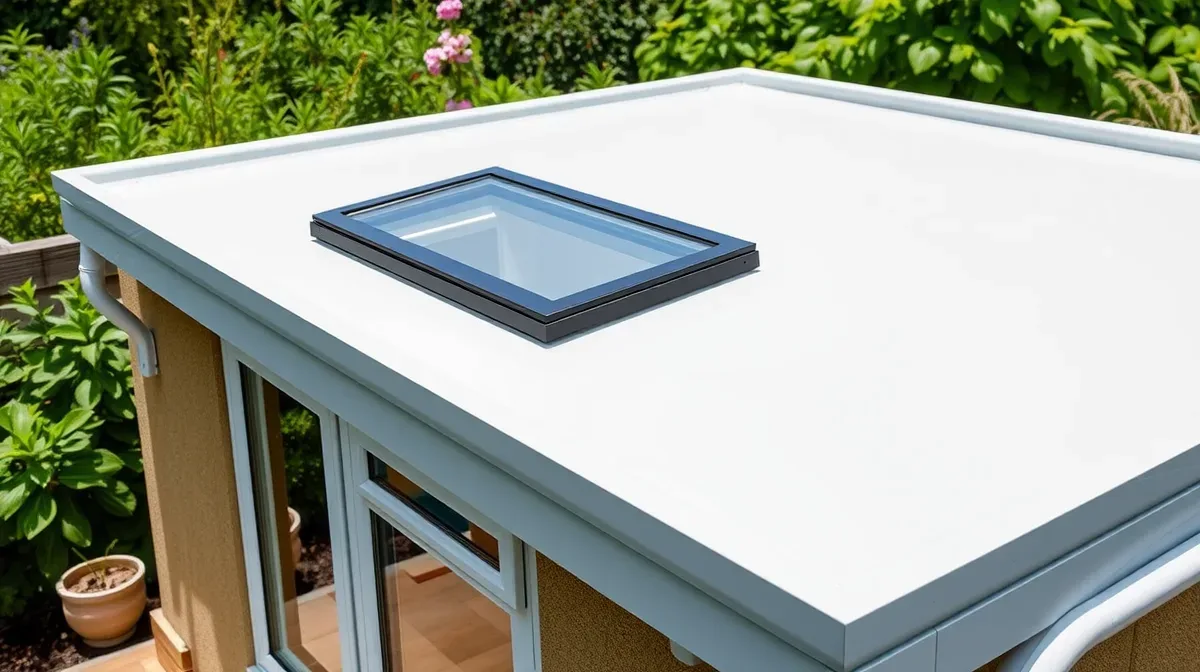
Commercial Roofing in Reading
Roof repairs, re-roofing and flat roofs across Reading and the Thames valley. Free surveys, fixed written quotes, tidy workmanship.
Reading's commercial roof stock is unusually top-heavy in one particular type: large, low-pitch flat roofs on office buildings put up during the Thames Valley expansion of the 1980s and 1990s. Green Park, Suttons, Theale and the business parks strung along the A33 are full of them, and single-ply membranes and built-up felt of that generation are now thirty to forty years old.
That produces a very specific kind of client — a facilities manager or managing agent with a large area of roof, tenants underneath it, and a service charge budget that has to be justified rather than simply spent.
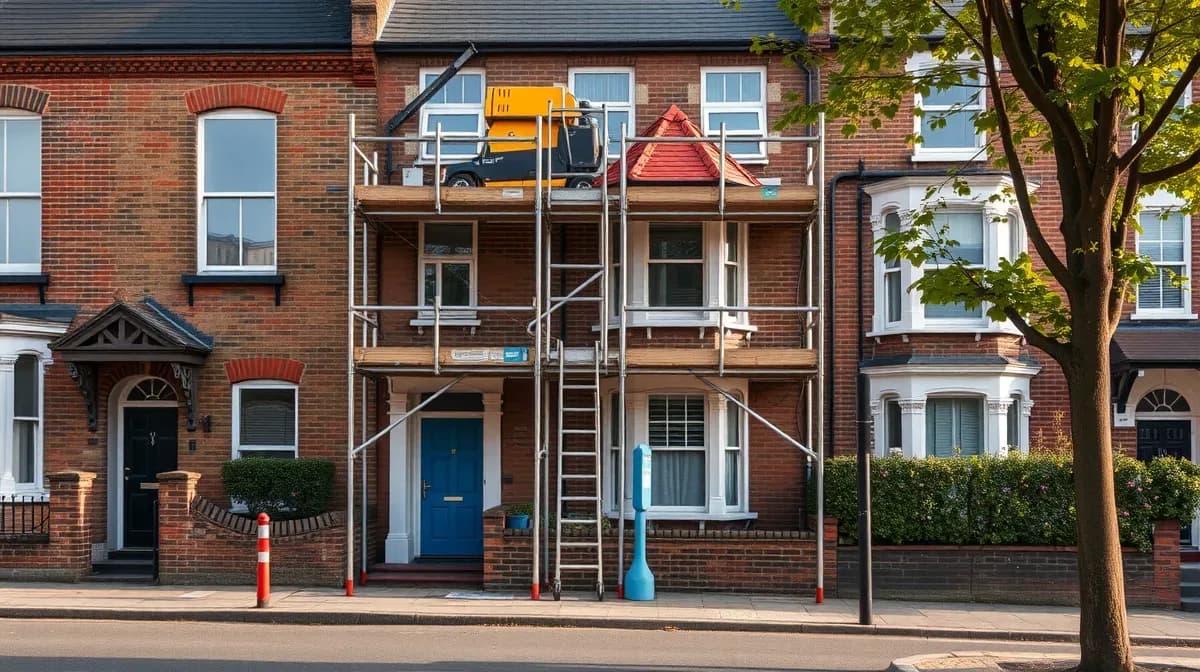
The commercial roofs we work on around Reading
Business park offices
Large-area single-ply and felt roofs surveyed, patched or refurbished in phases that keep floors occupied and lifts running.
Industrial and trade units
Profiled metal and cement sheet roofs on the estates at Theale, Calcot and Woodley — sheet replacement, cut-edge treatment and rooflights.
Retail and town centre
Parapet and box gutters above shop units, where a single blocked outlet puts water through a ceiling and into stock.
Managed portfolios
Multi-property inspection rounds for agents and landlords, reported consistently so one building can be compared against another.
Why 1980s office roofs are failing now, together
The first generation of single-ply membrane went onto Thames Valley offices in enormous quantities between about 1985 and 1998. It was a genuine improvement on what came before, and its realistic service life was twenty-five to thirty-five years. Arithmetic does the rest: a very large number of Reading office roofs reached the end of their design life within the same handful of years, which is why so many facilities managers in this town are having the same conversation at once.
What fails first is rarely the field of the membrane. It is the detailing — laps that have crept, upstands at plant platforms, and the collars around the dozens of service penetrations that a modern office roof carries. Air handling units, cable trays, lightning protection and safety-line anchors all puncture the waterproofing, and every puncture is a maintenance liability for the life of the roof.
Overlay or strip: the decision that sets the budget
Where the existing build-up is dry and the deck is sound, an overlay system bonded over the top is substantially cheaper and quicker than a strip, and it avoids exposing the interior at any point. Where moisture has already got into the insulation, an overlay seals the problem in and the roof will be back within a few years.
The honest way to settle it is a core sample rather than an opinion. Cut a small plug through the build-up in two or three places, look at the insulation, and the answer becomes a fact rather than a judgement call. It costs very little and it is the difference between a specification that lasts and one that has to be defended to a board in five years' time.
Working around tenants
Occupied commercial premises change the method more than the materials. Hot works permits, agreed working windows, protected access routes through car parks, and out-of-hours phases where the noise sits directly above a meeting room — all of it is planned into the quote rather than improvised on site.
On multi-tenant buildings the practical constraint is usually access rather than roofing: getting plant to the roof without closing the loading bay that a tenant needs at eight in the morning. Sorting that out with the building manager before the quote goes in is what separates a job that runs to programme from one that stalls in week two.
Flat roof replacement
The domestic-scale version of the same systems.
Emergency roof repairs
Same-day response for active leaks over stock or equipment.
Planned maintenance, and why it pays
| Service | Typical cost |
|---|---|
| Condition survey with photographed report | £350 – £900 |
| Annual inspection and gutter clear, single unit | £280 – £650 |
| Core sample investigation, per core | £120 – £200 |
| Localised single-ply repair | £400 – £1,600 |
| Overlay refurbishment, per m² | £75 – £130 |
| Full strip and re-cover, per m² | £110 – £190 |
Portfolio work is priced per round rather than per visit. Rates assume daytime access; out-of-hours and weekend working is quoted separately.
Frequently asked questions
Ready for a free, no-obligation quote?
Call 0118 230 9278